In the dynamic field of fuel cell technology, the performance of hollow fiber modules plays a pivotal role in determining the overall efficiency and effectiveness of fuel cell systems. As a leading supplier of hollow fiber modules, I have witnessed firsthand the challenges and opportunities that come with optimizing these components for fuel cell applications. In this blog post, I will share some insights and strategies on how to improve the performance of hollow fiber modules in fuel cell applications. Hollow Fiber Modules
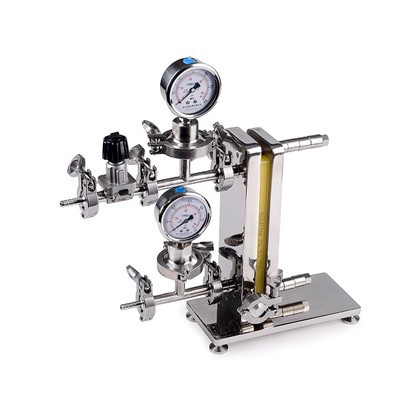
Understanding the Role of Hollow Fiber Modules in Fuel Cells
Hollow fiber modules are essential components in many fuel cell systems, serving multiple functions such as gas separation, water management, and proton exchange. These modules consist of a bundle of hollow fibers made from various materials, each with its own unique properties and characteristics. The design and performance of these modules can significantly impact the efficiency, durability, and cost of fuel cell systems.
One of the primary functions of hollow fiber modules in fuel cells is gas separation. In a fuel cell, hydrogen and oxygen need to be separated and delivered to the appropriate electrodes for the electrochemical reaction to occur. Hollow fiber membranes can selectively allow the passage of certain gases while blocking others, ensuring efficient gas delivery and preventing cross – contamination.
Water management is another critical aspect of fuel cell operation. Hollow fiber modules can help regulate the water content within the fuel cell, preventing flooding or drying out of the electrodes. Proper water management is essential for maintaining the performance and longevity of the fuel cell.
Strategies for Improving the Performance of Hollow Fiber Modules
Material Selection
The choice of materials for hollow fiber modules is crucial for their performance in fuel cell applications. Different materials have different properties such as gas permeability, mechanical strength, and chemical resistance. For example, polymers like polyimide and polysulfone are commonly used for their high gas selectivity and good mechanical properties. However, these materials may need to be modified or blended with other polymers to enhance their performance further.
In recent years, researchers have been exploring the use of novel materials such as metal – organic frameworks (MOFs) and carbon nanotubes in hollow fiber membranes. These materials offer unique properties such as high surface area and tunable pore size, which can improve gas separation efficiency and water management.
Module Design
The design of the hollow fiber module can also have a significant impact on its performance. Factors such as fiber packing density, module geometry, and flow distribution need to be carefully considered. A higher packing density can increase the surface area available for gas separation and water management, but it may also lead to increased pressure drop and reduced flow uniformity.
Optimizing the module geometry can help improve the flow distribution within the module, ensuring that all fibers are utilized effectively. For example, using a radial flow design instead of an axial flow design can reduce the pressure drop and improve the overall performance of the module.
Surface Modification
Surface modification of the hollow fibers can enhance their performance in fuel cell applications. By modifying the surface properties of the fibers, such as increasing their hydrophilicity or introducing catalytic sites, it is possible to improve gas separation efficiency, water management, and electrochemical reaction kinetics.
One common surface modification technique is plasma treatment, which can introduce functional groups onto the fiber surface. Another approach is to coat the fibers with a thin layer of a catalytic material, such as platinum or palladium, to enhance the electrochemical reaction at the electrodes.
Operating Conditions
The operating conditions of the fuel cell system can also affect the performance of the hollow fiber modules. Factors such as temperature, pressure, and gas composition need to be carefully controlled. For example, operating the fuel cell at a higher temperature can increase the reaction rate but may also lead to increased degradation of the hollow fiber membranes.
Maintaining the proper pressure within the module is also essential for efficient gas separation and water management. Too high a pressure can cause membrane damage, while too low a pressure can result in poor gas delivery and reduced performance.
Case Studies and Success Stories
Over the years, we have worked with many customers in the fuel cell industry to improve the performance of their hollow fiber modules. One of our customers, a leading fuel cell manufacturer, was experiencing issues with gas cross – over and water management in their fuel cell system. By working closely with their engineering team, we were able to develop a customized hollow fiber module with improved gas separation efficiency and water management capabilities.
We used a novel polymer blend material that offered high gas selectivity and good mechanical strength. The module design was optimized to ensure uniform flow distribution and reduce pressure drop. Surface modification techniques were applied to enhance the hydrophilicity of the fibers and improve water management.
As a result of these improvements, the customer saw a significant increase in the efficiency and durability of their fuel cell system. The gas cross – over was reduced by over 50%, and the water management was improved, leading to a longer lifespan for the fuel cell.
Conclusion
Improving the performance of hollow fiber modules in fuel cell applications is a complex but achievable goal. By carefully selecting materials, optimizing module design, applying surface modification techniques, and controlling operating conditions, it is possible to enhance the efficiency, durability, and cost – effectiveness of fuel cell systems.
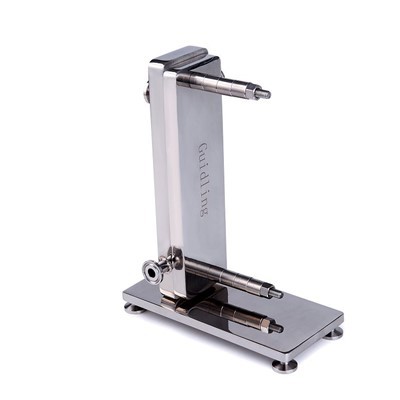
As a supplier of hollow fiber modules, we are committed to working with our customers to develop innovative solutions that meet their specific needs. Whether you are a fuel cell manufacturer, a research institution, or a technology startup, we have the expertise and experience to help you improve the performance of your fuel cell system.
UF Cassettes If you are interested in learning more about our hollow fiber modules or discussing potential applications, please feel free to reach out to us. We look forward to the opportunity to work with you and contribute to the advancement of fuel cell technology.
References
- Wang, Y., & Chung, T. S. (2015). Recent advances in hollow fiber membranes for membrane distillation process: A review. Journal of Membrane Science, 483, 348 – 368.
- Li, X., & Chung, T. S. (2013). Recent progress in the development of polymer – based mixed matrix membranes for gas separation. Journal of Membrane Science, 438, 156 – 185.
- Yan, Y., & Shukla, A. K. (2010). A review of polymer electrolyte membrane fuel cells: Technology, applications, and needs on fundamental research. Applied Energy, 87(10), 3053 – 3067.
Hangzhou Guidling Technology Co., Ltd.
As one of the leading hollow fiber modules manufacturers and suppliers in China, we also support customized service. We warmly welcome you to wholesale high quality hollow fiber modules in stock here from our factory. For quotation, contact us now.
Address: No.795, 18th Street, Qiantang New District, Hangzhou City, Zhejiang Province, China
E-mail: export1@guidling.net
WebSite: https://www.guidlingfiltration.com/
