If you’ve ever driven past a construction site, watched a skyscraper go up, or even seen a new road being paved, you’ve probably relied on something you didn’t even realize: ready-mix concrete. The quiet workhorse that turns raw materials into that sturdy, versatile concrete you see everywhere? It’s the concrete batching plant. As someone who’s spent the last 12 years supplying these plants to construction teams across North America, I’ve seen first-hand how this piece of equipment isn’t just a machine—it’s the backbone of every concrete project that gets built on time, on budget, and with consistent quality. Today, I want to break down exactly what a concrete batching plant is, how it works, why it matters more than you think, and how partnering with the right supplier can make or break your project. Concrete Batching Plant
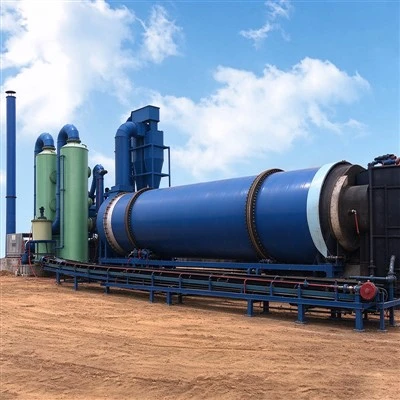
Let’s start with the basics. A concrete batching plant is a specialized industrial facility designed to accurately combine the four core ingredients of concrete: cement, aggregates (sand, gravel, or crushed stone), water, and admixtures. Admixtures are the add-ins that adjust concrete’s properties—think air-entraining agents for cold weather, water reducers to make concrete flow easier without extra water, or set retarders to keep concrete workable longer for large projects. What makes a batching plant different from mixing concrete in a wheelbarrow or a portable mixer? It’s all about precision, consistency, and scale. For small residential projects, a portable mixer might cut it, but for a 10-story apartment building, a 5-mile highway, or a bridge that has to last 100 years, you need concrete that’s exactly the same every single batch—no more, no less, just the right mix every time.
Over the years, I’ve talked to enough contractors to know that a lot of people mix up “batching plant” with “ready-mix concrete plant,” and while they’re closely related, they’re not identical. A concrete batching plant is the core production unit; a ready-mix plant is the operation that uses a batching plant to produce concrete that’s delivered to job sites in transit mix trucks. For our team, that distinction matters because we supply the batching plants that ready-mix operators, large contractors, and even precast concrete manufacturers depend on to make their own concrete. Whether you’re a small ready-mix shop with one truck or a massive precast factory making concrete beams for highways, a good batching plant is the heart of your operation.
So, how does one actually work? I like to explain it like a well-oiled coffee shop, but for concrete—every ingredient has its own “station,” and everything is calibrated to exact measurements. Let’s walk through the process step by step, because when I’m working with a new client, seeing this flow is how we figure out what kind of plant they need.
First, the raw ingredients are stored in separate silos, bins, and hoppers. Cement, the fine powder that acts as the binder, goes into a powder silo with aeration systems to keep it from clumping—clumpy cement ruins batch consistency, and we’ve seen that ruin more than one startup project. Aggregates are stored in large outdoor bins, separated by size (fine sand, coarse gravel, medium crushed stone) so they can be measured individually. Water is stored in a clean, enclosed tank, and admixtures are kept in smaller, temperature-controlled tanks because many of them degrade if exposed to extreme heat or cold. That’s why, if you’re in a place with harsh weather, you need a plant that can adjust those storage conditions—something we design into every system we sell.
Next, the batching stage, where precision is non-negotiable. Each ingredient is weighed (or measured by volume, but weight is far more accurate) to the exact ratio specified by the concrete mix design. For example, a standard road mix might call for 1,200 pounds of aggregates, 600 pounds of cement, 300 pounds of water, and 2 pounds of air-entraining admixture. A batching plant’s control system does all this automatically now, but many of our older clients still prefer the manual backup system we include, just in case. I always tell them: the best plants don’t just rely on computers—they give you the tools to catch a mistake before it turns into 100 yards of bad concrete.
Once all the ingredients are batched, they get mixed in a central mixer—usually either a twin-shaft mixer, which is the most common for high-volume projects, or a drum mixer for smaller, lower-output jobs. The mixing time is carefully controlled, too: too short and the concrete is uneven with clumps of cement; too long and you waste energy and can break down the aggregates, weakening the final product. After mixing, the fresh concrete is dumped into a waiting transit mix truck (or into a hopper for precast plants, which load it into forms immediately) and transported to the job site. The whole process, from batching to loading a truck, takes anywhere from 1 to 5 minutes, depending on the plant’s size.
Now, not all batching plants are created equal. Over my years in this business, I’ve seen three main types, each for different uses, and picking the wrong one is a fast way to blow a project’s timeline or budget. Let’s break them down.
The first is stationary batching plants. These are the big, permanent units you’ll see at large ready-mix yards or precast factories. They’re installed in one spot, have high output (up to 200 cubic yards per hour), and are built for long-term use. Most of our clients who build stationary plants are mid-to-large ready-mix operators serving a metro area with lots of construction, or precast manufacturers making concrete pipe, beams, or wall panels for multiple projects. The downside? They’re fixed—you can’t move them easily, so they only make sense if you have a steady, long-term demand for concrete in one area. For example, we supplied a stationary plant to a client in Phoenix back in 2019, and they’ve been running it nonstop ever since, serving every residential development and highway project in the East Valley. It’s paid for itself twice over in the last four years.
The second type is portable batching plants. These are the workhorses for temporary projects. They’re mounted on trailers or skids, so they can be disassembled, loaded onto trucks, and moved to a new site in a day or two. Their output is lower than stationary plants—usually between 20 and 60 cubic yards per hour—but they’re perfect for jobs like building a new bridge in a rural area, paving a stretch of road far from the nearest ready-mix plant, or a large residential subdivision where you don’t want to pay for transporting concrete 50 miles every day. A few years ago, we rented (wait, no, we sell portable plants) a portable plant to a contractor working on a wind farm in central Texas. They were building concrete bases for 120 turbines, and hauling concrete from a ready-mix plant an hour away would have added $50,000 to their budget and delayed their timeline. They set up the portable plant on site, mixed their own concrete for the bases, and saved enough money to add two extra turbines to their contract. That’s the difference a good portable plant makes.
The third type is modular batching plants. These are the middle ground, partway between portable and stationary. They’re made up of pre-built modules that you can assemble on site in a week or two, and while they’re not as easy to move as portable plants, they’re more flexible than stationary ones if you might need to relocate in 5 or 10 years. They also tend to have higher output than portable plants, up to 120 cubic yards per hour. Modular plants are popular with contractors who take on multiple large projects across a region, or ready-mix operators who want to add capacity without the investment of a full stationary plant.
Now, let’s talk about why a good batching plant isn’t just a hunk of metal with a few hoppers. As someone who’s installed and repaired these plants for years, the biggest difference between a $50,000 plant and a $150,000 plant isn’t the size—it’s the quality of the components and the engineering behind it. For example, a cheap plant might use cheap load cells (the scales that measure ingredients) that are off by 5 or 10 pounds per batch. Over 100 batches a day, that adds up to 500 to 1,000 pounds of wrong cement, which can make concrete too weak or too prone to cracking. A high-quality plant, like the ones we design, uses NIST-traceable load cells that are accurate to within 1 pound, so every batch is identical.
Another big factor is automation and control software. Old plants used manual levers and dials, but modern plants have computerized control systems that let you store hundreds of different mix designs, track every batch, and even adjust for weather conditions. If it’s 95 degrees outside, the control system can automatically add a little extra water reducer to keep the concrete workable, or adjust the mixing time to compensate for hotter aggregates. That kind of adjustment is why concrete from a good batching plant is consistent, even when the weather is all over the place. We’ve had clients tell us that since switching to our plants, their concrete rejection rate (the amount of concrete that gets thrown out because it doesn’t meet specs) dropped by 30%, which saves them thousands of dollars every month.
Of course, no machine works forever, so after-sales support is huge. When a plant goes down, your whole operation goes down. If you’re a ready-mix operator, that means trucks sitting idle, contractors yelling at you for late concrete, and penalties on your projects. We don’t just sell plants—we have a 24/7 support team that’s on call 365 days a year, parts in stock at three regional warehouses, and technicians who can be on site anywhere in North America within 48 hours. I had a client in Alaska last winter who had a mixer motor burn out at 2 a.m. on a Saturday. Our technician was on a plane by 7 a.m., had the part installed by 3 p.m., and they were back to mixing concrete for a road project by evening. That’s the kind of support that matters, not just the machine itself.
Let’s also address a common question I get: why not just buy a portable mixer for small jobs? I had a contractor ask me that last year, when they were bidding on a residential subdivision of 50 homes. They thought a portable mixer would be cheaper than a batching plant. But when I ran the numbers, it made no sense. A portable mixer only mixes a couple cubic yards per batch, so they’d be mixing concrete every 15 minutes all day, which would require two full-time operators just to keep up. A small portable batching plant, on the other hand, mixes 30 cubic yards per hour, needs one operator, and produces consistent concrete that meets building code specs. The portable mixer might cost $5,000, but the contractor would end up spending more on labor and having to reject batches because the mix was inconsistent. The batching plant was $25,000, but they paid for it in two months in labor savings. That’s the value: consistency, labor savings, and meeting code requirements.
I also want to touch on sustainability, because that’s a big conversation in construction right now. A well-run batching plant can reduce waste by up to 10% by correctly measuring every ingredient and only mixing exactly what you need. Many modern plants also have systems to capture and reuse water from washing trucks, and some can even handle recycled aggregates, which cuts down on the need for new stone and sand. At our company, we design every plant with sustainability in mind—we add dust collection systems to reduce air pollution, optimize energy use to cut electricity costs, and include systems to reuse concrete waste. For contractors and ready-mix operators, that’s not just good for the planet—it also helps with LEED certification and can open up more projects that require sustainable building practices.
Now, if you’re thinking about buying a concrete batching plant, whether you’re a small contractor or a large ready-mix operator, here are a few things to keep in mind. First, figure out your output needs. How much concrete do you produce per week, per month, per year? If you’re only doing small jobs occasionally, a portable plant might be perfect. If you’re running a 24/7 ready-mix operation serving a metro area, you need a stationary or modular plant with high output. Second, think about flexibility. Will you need to move the plant in 5 years? Do you need to adjust mix designs for different projects? Make sure the plant can grow with your business. Third, prioritize quality components and support over upfront cost. A cheap plant might save you money now, but the breakdowns, waste, and poor quality will cost you way more in the long run. Fourth, don’t forget about compliance. Building codes in most areas require concrete to meet specific strength and consistency standards, and a good batching plant with accurate measurement and tracking will help you meet those standards, avoiding costly fines or rejected concrete.
At the end of the day, a concrete batching plant is more than just a piece of industrial equipment. It’s the tool that turns raw materials into the foundation of our communities—roads we drive on, schools our kids go to, hospitals that keep us healthy, bridges that connect us. For 12 years, our team has supplied these plants to builders, contractors, and ready-mix operators who care about quality, consistency, and getting the job done right. We don’t just sell a hopper, a mixer, and a control system—we partner with our clients to understand their specific needs, recommend the right plant, and support them every step of the way, from installation to ongoing maintenance.
If you’re in the market for a concrete batching plant, whether you’re a small contractor just starting out or a large operation looking to expand, we’d be happy to walk you through your options and help you find the right solution for your projects. Don’t let a bad mix or a broken plant delay your next big job—reach out to our team to discuss your needs and get a personalized quote that fits your budget.
Packing Palletizing Robot References
- American Concrete Institute. (2021). Manual of Concrete Practice: Batching, Mixing, and Transporting Concrete.
- Concrete Plant Manufacturers Bureau. (2022). Global Standards for Concrete Batching Plant Design and Performance.
- Portland Cement Association. (2020). Ready-Mix Concrete Production and Quality Control Manual.
- National Ready Mixed Concrete Association. (2023). Portable and Stationary Batching Plant Best Practices for Contractors.
Zhengzhou Tongding Machinery Equipment Co., Ltd.
Zhengzhou Tongding Machinery Equipment Co., Ltd. is one of the most professional concrete batching plant manufacturers and suppliers in China, featured by quality products and good price. Please rest assured to buy CE approved concrete batching plant made in China here and get quotation from our factory. Also, customized service and 5 years warranty are available.
Address: Kexue Avenue Industrial Park, Xingyang City, Zhengzhou City, Henan Province
E-mail: admin@tongdingmachine.com
WebSite: https://www.td-machinerygroup.com/
