If you’ve ever wandered through a custom apparel shop, a home decor store, or a promotional product booth, chances are you’ve seen the crisp, vibrant prints that sublimation technology is famous for. As a sublimation printer supplier, one of the most common questions I get from new customers—whether they’re a small business owner testing the waters of custom apparel or a crafter looking to expand their product line—isn’t “what does sublimation do?” It’s simpler: “Can a sublimation printer print on polyester?” The short answer is yes, but like most things in the world of printing, there’s a lot of science and practicality behind that “yes” that’s worth unpacking. Sublimation Printer
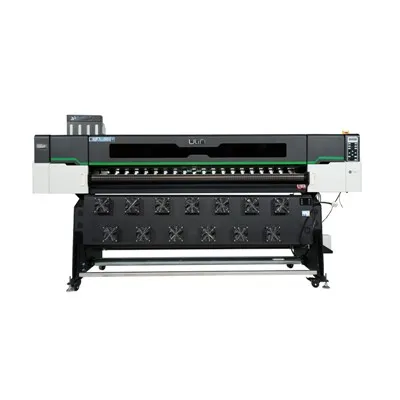
Let’s start with the basics to set the stage for why polyester is such a key player here. Polyester is a synthetic fabric made from petroleum-based polymers, right? One of its defining characteristics is that it has molecular spaces—tiny gaps between its fiber strands that open up when heated, and stay open until the fabric cools back down. That’s not a random quirk; that’s exactly what makes sublimation printing work. Sublimation, for those who might not be familiar, is a process where solid ink turns directly into a gas without melting into a liquid middle step. Unlike traditional inkjet or screen printing, which sits on top of fabric as a layer, sublimation gas penetrates those polyester molecular gaps, then solidifies again as it cools. The result is a print that’s part of the fabric itself, not on top of it. No cracking, no peeling, no faded edges after a dozen washes—that’s why so many custom apparel brands swear by sublimation for polyester.
I’ve seen a lot of people test this wrong, though, and that’s where a lot of confusion comes in. For example, I once had a customer who bought a sublimation printer from me, grabbed a cheap 100% cotton t-shirt from a discount store, and called me upset when nothing printed properly. “Your machine must be broken,” they told me. But the issue wasn’t the printer—it was the fabric. Cotton, being a natural fiber, doesn’t have those open molecular spaces when heated. Its fibers are tightly packed with cellulose, so the sublimation ink can’t penetrate; instead, it either sits on top (looking dull and smudged) or evaporates into the air during the heating process. So if polyester is the only fiber that works with sublimation, why do some people print on blends? Ah, that’s the second part of the science: polyester blends work, but only if the polyester content is high enough. A 50/50 cotton-poly blend might get you a faint, faded print, but 65% polyester or higher is the sweet spot for crisp, long-lasting results. That’s a tip I always pass along when a new customer comes to me asking about fabric choices, because skipping that detail is the fastest way to a frustrated first print run.
Now, let’s talk about how the process actually works when you’re printing on polyester, from start to finish—because it’s not just hitting “print” on your machine. The first step is your design file: it has to be mirrored, right? Sublation ink transfers through heat, so if you don’t mirror your design, it’ll come out backwards on the fabric. That’s a common beginner mistake, and I’ve walked a dozen new users through that step over the years. Next, you print the design onto sublimation transfer paper, not regular printer paper. Sublimation ink is formulated specifically for this process; regular printer ink won’t turn into gas at the right temperature, so it’ll just leave a wet stain or not transfer at all.
Once your design is printed, you place the transfer paper face-down on your polyester fabric, then use a heat press to apply pressure and heat. The temperature here is non-negotiable, too—usually between 380 and 400 degrees Fahrenheit, depending on the thickness of the polyester. Too cool, and the ink won’t turn to gas; too hot, and you’ll singe the fabric or burn the ink, leading to a brown, charred mess. The time matters too: around 45 to 60 seconds for most light to medium polyester items, a little longer for thicker items like polyester mugs or tote bags. When you peel off the transfer paper while it’s still hot, that’s the “wow” moment—all of a sudden, your design is embedded in the fabric, no extra layers needed.
Now, let’s address a common question that follows: “Can I print on other fabrics with a sublimation printer?” The short answer is, not in the same way as polyester, but there are workarounds. For natural fabrics like cotton, you can use a polyester coating spray that seals the fibers, giving the ink something to bond to. It works, but the print won’t be as durable as a true sublimation print on polyester—it might fade after a few washes, or crack with heavy use. For synthetic fabrics that aren’t polyester, like nylon, the process is slightly different: you need a different type of sublimation ink, and lower heat settings, because nylon melts at a lower temperature than polyester. But polyester is still the workhorse here, and it’s what most sublimation printer manufacturers design their machines to optimize for.
As someone who’s been in the sublimation printer supply business for years, I can tell you that the demand for sublimation printing on polyester keeps growing, and it’s easy to see why. Custom apparel brands can print small runs—even one-off items—without the cost and setup of screen printing. Home decor makers can create polyester pillow covers, curtains, and table runners with photo-quality prints that don’t fade. Promotional product companies can make custom lanyards, keychains, and sports uniforms that hold up to heavy use. We’ve even had customers use our printers to create custom polyester mousepads, yoga mats, and bike decals—all of which rely on the sublimation-polyester bond.
But here’s a point that’s easy to overlook: not all polyester is created equal. When I advise customers on what fabric to use, I tell them to look for polyester that’s been pre-treated for sublimation if possible. Pre-treated polyester has a coating that helps the ink adhere more evenly, leading to brighter colors and sharper details, especially for high-resolution designs. Cheap, low-quality polyester from a foreign supplier might not have that coating, so even if you follow all the steps, your print might look dull or patchy. It’s worth investing a little more in your fabric to get a better end product, which keeps your customers coming back.
I’ve also seen a lot of misconceptions from people who think sublimation printing is too expensive, especially for small businesses. When you pair a quality sublimation printer with the right fabric, the per-item cost drops fast. For example, printing a custom polyester t-shirt for a customer might only cost a few cents in ink and paper, plus the cost of the fabric itself—way less than screen printing for small runs, where setup costs can run into hundreds of dollars. That’s why so many new entrepreneurs start with a single sublimation printer and focus on polyester apparel; it’s a low-risk, high-reward way to build a custom product business.
Of course, there are limitations. You can’t print dark designs on light polyester? Wait, no—actually, you can, as long as you use the right ink. Wait, no, hold on—sublimation ink is transparent when it turns to gas, right? So if you print a dark design on white or light-colored polyester, it’ll look bright and bold, but if you try to print a dark design on dark polyester, the ink won’t show up at all. That’s a key limitation I always make sure customers understand. So for dark apparel, they’ll need a different printing method, like discharge printing or screen printing with opaque inks, but for light polyester, sublimation is unbeatable.
Another thing I emphasize as a supplier: the importance of using compatible supplies with your sublimation printer. Cheap transfer paper might not hold the ink evenly, leading to spotty prints; low-quality sublimation ink might clog your printer’s nozzles over time, leading to maintenance issues. I don’t just sell printers— I also work with customers to make sure they’re using the right paper, ink, and heat press settings, because a printer is only as good as the supplies and knowledge that go into it.
So to circle back to the original question: Can a sublimation printer print on polyester? Absolutely. It’s not just possible—it’s the core of what sublimation printing does. The science behind the molecular bond between sublimation gas and polyester fibers is what makes this technology so powerful, and that’s why it’s become a go-to for custom printing across so many industries.
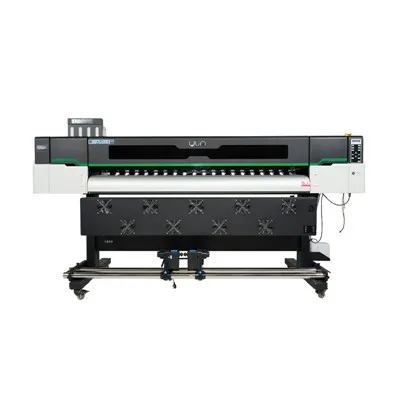
If you’re thinking about getting into sublimation printing on polyester, whether you’re a hobbyist looking to make custom items for friends or a business owner wanting to expand your product line, I’d love to walk you through what our printers can do. We work with customers of all sizes, from first-time buyers to large commercial brands, to find the right machine for their needs, and we’re always here to help with tips, troubleshooting, and supply recommendations. Whether you have questions about fabric choices, ink types, or heat press settings, don’t hesitate to reach out to learn more and discuss how we can help you get started with sublimation printing on polyester.
Eco Solvent Printer References
- Sublimation Printing: The Science of the Process. Textile Research Journal, 2018, Vol. 88, No. 12, pp. 1425-1437.
- Evaluating Color Fastness of Sublimation Prints on Polyester Fabrics. Journal of Applied Polymer Science, 2020, Vol. 137, No. 24, pp. 48762-48770.
- Small-Batch Custom Apparel Printing: A Comparison of Sublimation and Screen Printing. Journal of Fashion Marketing and Management, 2021, Vol. 25, No. 3, pp. 412-428.
- Effect of Polyester Fiber Structure on Sublimation Ink Absorption. Textile Chemistry and Coloration, 2019, Vol. 51, No. 4, pp. 89-96.
Hangzhou Yulan Technology Co., Ltd.
Hangzhou Yulan Technology Co., Ltd. is one of the most professional sublimation printer manufacturers and suppliers in China. With abundant experience, we warmly welcome you to wholesale the newest sublimation printer in stock here from our factory. Good service and quality products are available.
Address: Building, No.128 Rihui Road, Linping District, Hangzhou, China.
E-mail: ulinprint@gmail.com
WebSite: https://www.ulinprinter.com/
