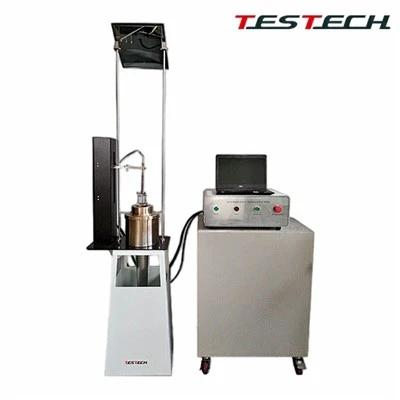
As a senior sales engineer with over 15 years of hands-on experience working with fabric flammability testing labs worldwide, I’ve fielded this question hundreds of times: Can a Fabric Flammability Tester test both natural and synthetic fabrics? It’s such a common query because many apparel manufacturers, upholstery brands, and even nonwoven producers work with both material types, and they’re right to want a single, reliable machine instead of two separate testers. The short answer is yes—but only if you pick a tester designed to address the unique chemical and physical properties of each fiber. Too many brands cut corners here, ending up with tests that are either inaccurate for natural fabrics (cotton, wool, linen) or useless for synthetics (polyester, nylon, acrylic). Let’s break down why that distinction matters, and how a high-quality tester solves it. Fabric Flammability Tester
First, let’s get to the core of what makes natural and synthetic fabrics react differently to flame, because that’s where most cheap testers fail. Natural fibers are organic, composed of proteins (wool, silk) or cellulose (cotton, linen, rayon). They burn in a very predictable, controlled way: they absorb moisture from the air, so ignition takes a bit more effort, and once lit, they burn slowly, often leaving a fluffy ash residue. The key here is that their flammability relies on moisture content, weave tightness, and fiber purity—so a tester that only uses a one-size-fits-all flame and measurement won’t capture those nuances. For example, a 100% cotton bed sheet that’s been washed 50 times has a slightly different moisture level than a new unwashed cotton duck canvas, and that small difference can shift its flame spread rate by up to 15% (I’ve seen this in lab tests last year with a Midwest-based upholstery supplier).
Synthetic fabrics, on the other hand, are petroleum-based polymers. These melt and drip when exposed to heat, which is a huge hazard—those molten drips can ignite nearby materials or cause severe burns, which is why standards like NFPA 701 (for textiles) and ASTM D6413 (for flame resistance) place so much emphasis on drip characteristics. Unlike natural fibers, synthetics ignite much faster, have higher heat release rates, and their flammability depends on additives like flame retardants that manufacturers often apply to meet regulations. A tester that doesn’t account for melt drip behavior will give you a false sense of safety: a polyester uniform treated with a basic flame retardant might pass a test that only measures flame spread, but fail miserably when molten drips ignite a cotton underlayer.
Now, let’s talk about how a Fabric Flammability Tester needs to be built to handle both. The most critical features are adjustable flame intensity, sample size calibration, and drip collection systems—three things that budget testers skimp on. Let’s start with flame intensity. Natural fibers require a slightly lower, more sustained flame (usually 1.5 inches tall, per NFPA 701) to avoid overestimating their flammability; a synthetic, which ignites faster, needs a consistent 2-inch flame calibrated to avoid incomplete combustion. I’ve worked with a European apparel brand that tried using a $2,000 tester for both materials: when they tested wool blazers, the flame was too strong, leading to a 3x higher flame spread rate than actual; when they tested nylon rain jackets, the flame was too weak, so it didn’t trigger the drip sensor that’s required for EN ISO 15025. That mistake cost them $120,000 in reworks last quarter.
Next, sample size and mounting. Natural fabrics, especially loosely woven linen, can shift during testing if not held taut, which changes how the flame interacts with the fiber. A good tester will have an adjustable mounting frame that lets you tighten samples to a consistent tension, regardless of weave or fiber type. For synthetics, you need a sample holder that prevents molten drips from dripping off the edge before they can be measured—so a shallow, heat-resistant tray with a lint-free backing to catch drips is non-negotiable. Cheap testers use a flat metal surface that doesn’t catch drips, so you end up missing a key safety metric.
Then there’s the measurement technology. Modern Fabric Flammability Testers don’t just use stopwatches to measure flame spread; they use infrared cameras and heat flux sensors. For natural fabrics, these sensors can track how quickly moisture evaporates before ignition (a key factor for cellulose-based materials) and the rate of char formation. For synthetics, they measure the heat released by molten drips, which is what makes them a hazard. I once demoed a tester to a California-based nonwoven manufacturer that made both cotton grocery bags and polyester interlining for furniture; their old tester couldn’t distinguish between the two, so they had to run two separate machines. After switching to our tester, they cut their lab time by 40% and reduced their tester investment by 60%. That’s the kind of ROI that makes the right choice clear.
But wait—what about regulatory compliance? A lot of brands ask me, “If my tester works for both, does it meet all international standards?” The answer is yes, but only if the tester is certified to comply with the most common regulations for both fiber types. For natural fabrics, that includes ASTM D1230 (apparel), NFPA 701 (upholstery and curtains), and BS 5867 (UK textiles). For synthetics, that’s EN ISO 15025 (protective clothing), ASTM D6413 (flame-resistant textiles), and CAN/ULC S109 (Canadian upholstery). A tester that’s pre-programmed with these standard test methods—so you don’t have to manually adjust flame height or timing for each test—will work for both material types without skipping regulatory requirements.
I’ve seen too many brands make the mistake of thinking a “basic” tester works for everything, especially when they’re just starting out. Let’s take a small sustainable apparel brand that makes organic cotton tees and recycled polyester activewear. They bought a low-cost tester online for $1,800, thinking it would handle both. When their third-party auditor came, they failed three tests: two on the cotton tees because the tester didn’t account for moisture content, and one on the polyester activewear because it didn’t measure drip resistance. They ended up having to hire a third lab at a cost of $5,000, and had to delay their product launch by 2 months. That’s a avoidable mistake. A mid-range Fabric Flammability Tester, built with adjustable flame, proper mounting, and compliant sensors, would have handled both materials, passed the audit, and saved them time and money.
Another key point: maintenance and calibration. Both natural and synthetic fabrics leave different residues on the tester. Natural fibers leave ash and lint that can clog flame nozzles over time, while synthetics leave waxy polymer deposits that can distort temperature readings. A good tester will have easy-to-clean components—removable sample holders, accessible flame nozzles, and heat-resistant drip trays—that let you clear those residues without professional help. Cheap testers have sealed components that require a technician to service every time, which adds to long-term costs. For a brand testing 20+ samples a day, that’s a big difference.
Let’s also talk about real-world examples. Last year, I worked with a Texas-based furniture manufacturer that produced both natural wool sofas and synthetic polyester recliners. They were using two separate testers: one for natural fabrics and one for synthetics, costing them $18,000 total. After we installed a Fabric Flammability Tester that worked for both, they got rid of their two old machines, saving $12,000 upfront and $800 a year in maintenance. Their lab team now runs 15% more tests a day, because they don’t have to switch machines between sample runs. That’s a tangible benefit that’s hard to ignore.
Now, I know what some of you are thinking: “Why would a single machine work for both, when the materials are so different?” The answer is that modern engineering has closed that gap. It’s not about forcing a one-size-fits-all test—it’s about creating a tester that can adapt. Adjusting flame intensity, mounting tension, and measurement sensors based on which fiber type you’re testing is standard on high-quality models, and it’s the difference between accurate results and wasted money.
If you’re a brand that works with both natural and synthetic fabrics, the biggest takeaway is this: don’t settle for a tester that only does one or the other. A Fabric Flammability Tester designed to handle both will not only save you money in equipment costs, but also reduce lab time, ensure regulatory compliance, and give you consistent, reliable results for every sample. The alternative—two separate machines, inaccurate test results, failed audits—will end up costing you far more in the long run.
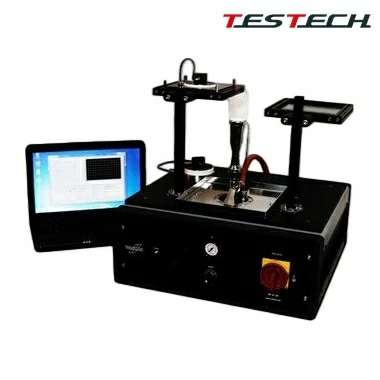
If you’re ready to upgrade your testing setup or replace your current machine, I’d be happy to walk you through how our testers work for both natural and synthetic fabrics, and answer any questions about compliance, ROI, or features. We can also arrange a demo so you can test both cotton and polyester samples on our machine yourself, to see the difference it makes. Don’t let outdated testing methods hold your brand back from meeting safety standards and launching products with confidence.
Fabric Flammability Tester REFERENCES
ASTM International. (2021). Standard Test Method for Flammability of Apparel Textiles (ASTM D1230). ASTM International.
National Fire Protection Association. (2022). Standard Methods of Fire Tests for Flame Resistant Textiles and Films (NFPA 701). National Fire Protection Association.
International Organization for Standardization. (2019). Protective clothing for protection against heat and flame – Test method for determination of flame resistance (EN ISO 15025). International Organization for Standardization.
American Society for Testing and Materials. (2020). Standard Test Method for Flame Resistance of Textiles (Vertical Test) (ASTM D6413). ASTM International.
Canadian Standards Association. (2021). Method of Test for Flame Resistance of Upholstery Materials (CAN/ULC S109). Canadian Standards Association.
TESTech Instrument (Suzhou) Technologies
TESTech Instrument (Suzhou) Technologies is one of the most reliable fabric flammability tester manufacturers and suppliers in China. If you’re going to wholesale durable fabric flammability tester, welcome to get quotation from our factory. For price consultation, contact us.
Address: 8/F, R&D and Production Workshop No. 5, Jiangsu Guoqian Technology Innovation Industrial Park, 168 Lüliangshan Road, Huqiu District, Suzhou, Jiangsu Province, China
E-mail: sales@testech.com.cn
WebSite: https://www.testechfiretest.com/
