In the dynamic realm of mobile app development, Capacitor and Cordova stand out as two prominent technologies, each with its own set of features, strengths, and limitations. As a Capacitor supplier, I’ve had the privilege of witnessing firsthand the impact these technologies have on the development process and the end – user experience. In this blog, I’ll delve into the differences between Capacitor and Cordova, highlighting why Capacitor might be the superior choice for your next project. Capacitor

1. Architecture and Design Philosophy
Cordova, formerly known as PhoneGap, has been around for quite some time. It operates on a plugin – based architecture. Developers use a set of predefined plugins to access native device features such as the camera, GPS, or storage. These plugins act as bridges between the web – based code (usually HTML, CSS, and JavaScript) and the native operating system. The core idea behind Cordova is to provide a consistent API across different platforms, allowing developers to write code once and deploy it on multiple devices.
On the other hand, Capacitor takes a more modern and flexible approach. It is designed to be a lightweight and modular framework. Instead of relying solely on plugins, Capacitor provides a native layer that can be easily integrated with existing native projects. It uses a more standardized way of interacting with native features, which makes it easier to maintain and extend. Capacitor also has a better integration with modern web development tools and workflows, enabling developers to leverage the latest JavaScript frameworks.
2. Performance
Performance is a critical factor in mobile app development. Cordova apps can sometimes suffer from performance issues due to the overhead of the web view and the plugin architecture. Since Cordova apps run in a web view, they may not be as responsive as native apps, especially when dealing with complex animations or real – time data. The plugin system can also introduce some latency as the communication between the web code and the native code needs to be established.
Capacitor, however, offers better performance. It has a more optimized native layer that can directly interact with the device’s hardware. This results in faster loading times and smoother user experiences. Capacitor apps can also take advantage of modern web technologies such as WebAssembly, which further enhances performance. Additionally, Capacitor’s modular design allows for better code optimization and reduced bundle sizes, which is crucial for mobile devices with limited storage and bandwidth.
3. Ease of Use and Development Experience
Cordova has a large community and a wide range of plugins available, which can be a great advantage for developers. However, the plugin ecosystem can also be a double – edged sword. With so many plugins, it can be difficult to find the right one for a specific task, and there may be compatibility issues between different plugins. The configuration process for Cordova can also be complex, especially when dealing with multiple platforms.
Capacitor, on the other hand, offers a more streamlined development experience. It has a simpler and more intuitive API, which makes it easier for developers to get started. The integration with modern web development tools such as Visual Studio Code and npm also makes the development process more efficient. Capacitor’s documentation is comprehensive and easy to follow, which is a big plus for both novice and experienced developers.
4. Community and Ecosystem
Cordova has a long – standing community, which means there are a lot of resources available, including tutorials, forums, and open – source projects. This can be very helpful for developers who are new to the technology or need to troubleshoot issues. However, the community may be more focused on the traditional web – based development approach, and there may be a lack of support for some of the newer features and technologies.
Capacitor, although relatively new, has been gaining popularity rapidly. The community is growing, and there are already a number of plugins and tools available. The focus of the Capacitor community is on modern web development and the integration of web and native technologies. This means that developers can expect more innovative solutions and better support for the latest JavaScript frameworks.
5. Compatibility and Future – Proofing
Cordova supports a wide range of platforms, including iOS, Android, Windows, and more. However, as mobile operating systems evolve, there may be some compatibility issues with older versions of Cordova. The plugin – based architecture can also make it difficult to keep up with the latest native features.
Capacitor is designed to be more future – proof. It has a better integration with modern native development practices, which means it can easily adapt to new operating system features and changes. Capacitor also has a more standardized approach to accessing native features, which reduces the risk of compatibility issues.
6. Security
Security is a major concern in mobile app development. Cordova apps are vulnerable to certain security risks due to the use of web views. Malicious code can potentially be injected into the web view, which can lead to data breaches or other security issues. Cordova has security mechanisms in place, but they may not be as robust as those in native apps.
Capacitor, on the other hand, provides better security features. It has a more secure way of interacting with native features, which reduces the risk of code injection. Capacitor also allows developers to implement security measures at the native level, which provides an additional layer of protection.
Why Choose Capacitor as a Supplier
As a Capacitor supplier, we offer a range of services and support to help you develop high – quality mobile apps. Our team of experienced developers is well – versed in Capacitor and can provide you with the expertise and guidance you need. We can help you with everything from project planning and development to deployment and maintenance.
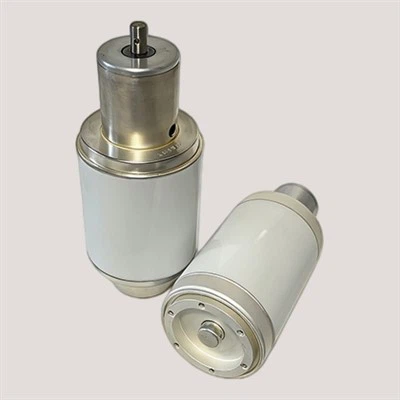
We also offer a wide range of plugins and tools that are specifically designed for Capacitor. These plugins can help you access native device features easily and efficiently, without having to worry about compatibility issues. Our support team is available 24/7 to assist you with any questions or issues you may encounter during the development process.
Switch Tube If you’re interested in learning more about Capacitor or are considering using it for your next project, we’d love to hear from you. We can provide you with more information about our services, answer any questions you may have, and even offer a free consultation. Contact us today to start a conversation about how Capacitor can transform your mobile app development experience.
References
- Adobe. (n.d.). Apache Cordova Documentation.
- Ionic. (n.d.). Capacitor Documentation.
- Mobile App Development Magazines and Blogs
Jingdezhen Wanping Electric Co., Ltd.
As one of the most professional capacitor manufacturers and suppliers in China, we also support customized service. We warmly welcome you to buy high quality capacitor made in China here and get pricelist from our factory. For price consultation, contact us.
Address: Zhangshukeng, Jingdezhen City, Jiangxi Province.
E-mail: jdzwpdq0815@163.com
WebSite: https://www.cewpdq.com/
