When it comes to working with flat cables, safety should always be at the forefront of our minds. As a trusted flat cables supplier, I’ve witnessed firsthand the importance of adhering to strict safety precautions in various industrial and commercial settings. In this blog post, I will share some essential safety measures that should be taken when handling and installing flat cables to ensure a safe and efficient working environment. Flat Cables
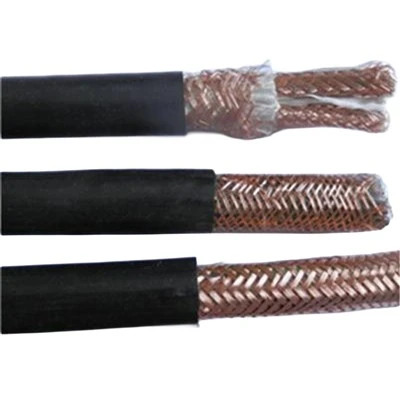
Understanding Flat Cables
Flat cables are a type of electrical cable that has a flat cross – section, which is different from the more common round cables. They are widely used in a range of applications, including computer hardware, automotive electronics, and home appliances, due to their flexibility, space – saving design, and ease of installation. However, their unique structure also presents specific safety challenges that need to be addressed.
Pre – Work Safety Checks
Before starting any work with flat cables, a thorough pre – work safety check is crucial. This includes inspecting the cables for any visible damage such as cuts, abrasions, or exposed conductors. Even a small nick in the insulation can pose a significant electrical hazard, increasing the risk of short circuits and electrical shocks.
It’s also important to check the cable’s rating. Flat cables are designed to handle specific voltage and current levels. Using a cable that is not rated for the intended application can lead to overheating, which may cause fires or damage to connected equipment. Make sure to verify that the cable’s specifications match the requirements of the electrical system.
Another aspect of pre – work checks is to assess the work environment. Ensure that the area is clean, dry, and free from any potential sources of physical damage to the cables, such as sharp objects or heavy machinery. If the work is being done in a high – traffic area, appropriate barriers should be set up to prevent accidental damage to the cables.
Personal Protective Equipment (PPE)
Wearing the right personal protective equipment is an essential safety precaution when working with flat cables. At a minimum, safety goggles should be worn to protect the eyes from any flying debris or sparks that may occur during cable installation or repair.
Insulated gloves are also a must. They provide a barrier between your hands and the electrical current, reducing the risk of electrical shock. The gloves should be rated for the voltage levels of the electrical system you are working on. Additionally, rubber – soled shoes help to insulate the body from the ground, further protecting against electrical hazards.
In some cases, depending on the work environment, it may be necessary to wear a fire – resistant protective suit, especially when working with cables in high – temperature areas or in situations where there is a risk of electrical arcing.
Installation Safety
During the installation of flat cables, proper handling techniques should be used. Cables should not be bent at sharp angles, as this can damage the internal conductors and insulation. The minimum bending radius specified by the cable manufacturer should always be followed.
When routing the cables, ensure that they are not placed in areas where they can be pinched or crushed. This can be achieved by using cable trays, conduits, or clips to support and secure the cables. Avoid running cables in areas where they may come into contact with moving parts, as this can cause abrasion and eventually lead to cable failure.
Proper grounding is another critical aspect of installation safety. All flat cables should be properly grounded to prevent the build – up of static electricity, which can cause electrical interference or even damage to the connected equipment. The grounding system should be designed and installed according to relevant electrical codes and standards.
Working with Live Circuits
Working on live circuits is extremely dangerous and should be avoided whenever possible. However, in some situations, it may be necessary to perform maintenance or repairs on energized cables. If this is the case, strict safety procedures must be followed.
Before starting work, all personnel involved should be properly trained in working with live circuits. Voltage – testing equipment should be used to confirm the presence or absence of electrical voltage. Only insulated tools should be used, and extreme caution should be taken to avoid contact with live conductors.
It is also recommended to have a second person present during the work on live circuits. This person can act as a safety observer and be ready to provide assistance in case of an emergency.
Maintenance and Inspection
Regular maintenance and inspection of flat cables are essential to ensure their continued safe operation. Over time, cables can degrade due to factors such as heat, moisture, and mechanical stress.
During inspections, look for signs of wear and tear, such as frayed insulation or loose connections. Any damaged cables should be replaced immediately. Electrical continuity tests should also be performed periodically to ensure that the cables are functioning properly.
In addition to visual inspections, it’s a good practice to clean the cables regularly. Dust and debris can accumulate on the surface of the cables, which can affect their performance and increase the risk of fire. Use a soft brush or compressed air to remove any dirt or debris.
Training and Education
Proper training and education are key to ensuring the safety of workers when dealing with flat cables. All employees who work with these cables should receive comprehensive training on cable handling, installation, and safety procedures.
The training should cover topics such as cable identification, testing, and the correct use of personal protective equipment. It should also include information on relevant electrical codes and standards.
Regular refresher courses should be provided to keep workers up – to – date with the latest safety practices and any changes in cable technology.
Conclusion
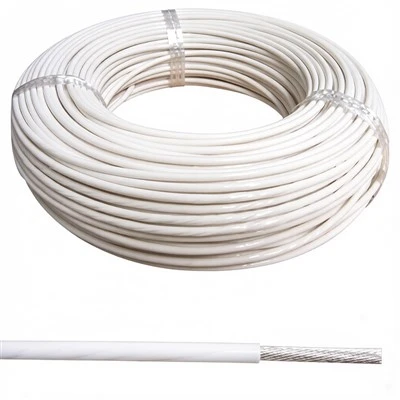
In conclusion, safety is paramount when working with flat cables. By conducting thorough pre – work checks, wearing appropriate personal protective equipment, following proper installation and maintenance procedures, and ensuring that workers are well – trained, we can significantly reduce the risk of electrical accidents.
Specialty Cables As a flat cables supplier, we are committed to providing high – quality products and also to promoting safety in the use of our cables. If you are in the market for flat cables or have any questions about their safe use, we encourage you to reach out to us for a consultation. Our team of experts is ready to assist you with your procurement needs and provide you with the information you need to ensure a safe working environment.
References
- National Electrical Code Handbook
- Electrical Safety Standards Manual
- Manufacturer’s Installation and Maintenance Guides for Flat Cables
Anhui Yuantong Cable Co., Ltd.
As one of the most professional flat cables manufacturers and suppliers in China, we offer a wide range of cables with superior quality. Please feel free to wholesale bulk customized flat cables from our factory. Also, pricelist is available.
Address: Yongfeng Industrial Park, Tianchang City, Anhui Province
E-mail: ahytcable@126.com
WebSite: https://www.yuantongcable.net/
