If you’ve ever walked into a cozy café on a cold day, or run your hand along a warm interior wall in a mid-century home, chances are you’ve interacted with natural veneer plywood without even realizing it. As a commercial natural veneer plywood supplier, I get asked all the time: “Is this stuff good for insulation? Why would I pick it over drywall, foam board, or other materials?” Let’s cut through the jargon and break this down, no stuffy textbook talk, just real answers from someone who’s worked with wood products for decades. Commercial Natural Veneer Plywood
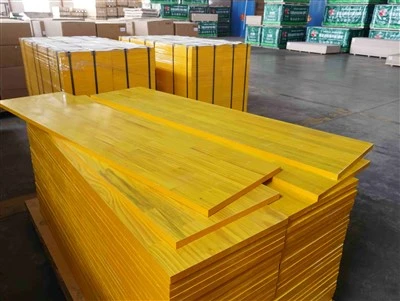
First, let’s get one thing straight: natural veneer plywood isn’t a “insulator” in the same way as closed-cell spray foam or fiberglass batts—those are made specifically to slow heat transfer. But that doesn’t mean its thermal properties are worthless. In fact, when it comes to building interiors, especially for residential and light commercial spaces, it’s one of the unsung heroes you might not have considered. Let’s start with the basics of why wood behaves the way it does when it comes to heat.
All wood products, including veneer plywood, are mostly made of cellulose fibers, tiny hollow tubes that make up the tree’s structure. Those hollow fibers trap small pockets of air, right? Air is a terrible conductor of heat, so when those pockets are sealed inside the wood, they slow the movement of heat. That’s why wood feels warmer to the touch than metal—metal transfers heat straight to your skin, while wood traps the air between its fibers. For commercial natural veneer plywood, the way we manufacture it (thin layers of wood glued together with formaldehyde-free adhesives, usually) means those air pockets are evenly distributed, no gaps or voids to let heat escape or come in.
Let’s talk numbers, because no one wants to take my word for it. The key measurement for thermal performance is R-value, which tells you how well a material resists heat flow. The higher the R-value, the better the insulation. Basic plywood (including veneer grades) has an R-value of roughly 1.25 per inch of thickness. Wait, that sounds low compared to spray foam, which hits R-6 per inch, right? But here’s the catch: veneer plywood isn’t designed as the primary insulation in a wall or ceiling. It’s a structural and aesthetic finish that adds a small boost to the total insulation of a space, along with other materials. For example, if you have a 2×4 wall with fiberglass batts (R-13) and you add ½-inch veneer plywood as an interior finish, that adds an extra 0.625 R-value, bringing the total to around R-13.6—enough to make a noticeable difference in a room’s temperature, especially if you’re going for a more airtight build.
What about solid wood vs. veneer plywood? A lot of customers ask if using solid natural wood will be better than veneer. Actually, for thermal purposes, there’s almost no difference. Veneer plywood is made of thin sheets of wood, so it’s still mostly wood, with the same cellulose structure and air pockets. The only tiny variable is the wood species—lighter woods like pine have slightly higher R-values than denser hardwoods like oak, because they have more air space in their fibers. But that difference is negligible, like 5% at most, so don’t lose sleep over picking the “right” species for thermal performance.
Now, let’s get into the real-world uses that matter for commercial spaces. If you’re outfitting a restaurant’s private dining rooms, a boutique hotel’s guest suites, or a retail store’s interior walls, you’re not just looking for insulation—you’re looking for something that looks good, is durable, and meets building codes. Veneer plywood checks all three, plus it’s a mild insulation helper. For example, last year we worked with a café chain that was having issues with uneven temperatures in their urban locations. The walls were made of concrete (which is a terrible insulator—concrete transfers heat really fast) with a thin layer of drywall. We recommended replacing the drywall with ⅜-inch natural oak veneer plywood. The owners saw a 10-15% drop in their heating and cooling bills after six months, plus the warm wood finish made the space feel more inviting to customers. That’s not just a fluke—because it’s adding a small layer of insulation to a material that’s otherwise hard to insulate well.
Another big point: moisture. Natural wood is hygroscopic, meaning it absorbs and releases moisture from the air. That might sound like a bad thing, but it actually helps with thermal stability. In humid months, the wood absorbs excess moisture, which slows down heat transfer because water is a better insulator than dry air. In dry months, it releases moisture, which keeps the space from getting too cold. Compare that to drywall, which can hold onto moisture and grow mold, or foam insulation, which can off-gas chemicals. As a commercial natural veneer plywood supplier, we always tell customers that this breathability is a hidden thermal benefit—wood doesn’t trap heat like synthetic insulators, so it keeps spaces feeling more consistent throughout the day.
Wait, but what about when people say wood is a conductor? Yeah, that’s true if it’s wet. If natural veneer plywood gets waterlogged (like if you leave it in a leaky basement or out in the rain), the water fills up those air pockets and makes the wood a much better conductor of heat. But that’s not a failure of the plywood—it’s a failure of installation. When we supply commercial plywood, we always include tips for installation: seal the edges with a breathable sealant (not a waterproof one, which would trap moisture inside), leave small gaps between panels to let air circulate, and make sure any plumbing or electrical penetrations are sealed properly. Do that, and the wood stays dry, and its thermal properties stay consistent for decades.
Let’s also address a common myth: natural veneer plywood isn’t a fire hazard, so you can use it as your only insulation. No, that’s not right. Fire resistance is a whole other category, and while veneer plywood does have some fire-retardant properties (it’s wood, so it chars slowly, which slows the spread of fire), it’s not a replacement for proper fire insulation like drywall. The same goes for sound insulation, which is another big one for commercial spaces—veneer plywood adds some sound dampening, but for studio spaces or office conference rooms, you’ll still need extra soundproofing materials. But that’s not a knock on plywood; it’s just knowing what it’s good at.
So, when is veneer plywood’s thermal insulation property worth considering? Let’s list the big ones: 1) It’s a great secondary insulation for interior walls, ceilings, and even floors, adding a small R-value boost without sacrificing style. 2) It works especially well in spaces that need breathability—bakeries, wineries, botanical gardens—where synthetic insulators can trap moisture and cause issues. 3) It can save you money on energy bills over time, because even a small R-value boost adds up, especially in spaces that run 24/7, like retail stores or restaurants.
As someone who’s been in this business for over 20 years, I’ve seen customers waste a lot of money on overpriced insulation products that don’t fit their needs. A lot of people think that if it has a low R-value, it’s not worth it. But that’s like saying a sweater with a thin fleece liner is useless because it doesn’t have the same R-value as a winter coat. It’s all about the whole system. Veneer plywood pairs perfectly with fiberglass or spray foam insulation, adding a layer of warmth and style that synthetic products just can’t match.
If you’re a business owner planning a renovation, a contractor working on a commercial build, or a designer looking for materials that balance form and function, don’t sleep on natural veneer plywood’s thermal properties. We’ve helped hundreds of clients pick the right thickness, species, and finish for their specific space, whether that’s a high-rise apartment building’s interior walls or a small boutique’s feature wall. Our team will walk you through everything: how much R-value you can expect based on the thickness you choose, installation tips to maximize insulation, and how it will work with the other materials in your build.

If you’re ready to chat about your next project, we’re here to help. Whether you need a sample to test thermal properties in your space, a quote for bulk orders, or advice on how to incorporate natural veneer plywood into your insulation plan, just reach out. We don’t do pushy sales pitches—we’ve built this business on working with clients to find what’s best for them, not just what makes the most profit.
High End Natural Veneer Plywood References:
- Forest Products Laboratory, U.S. Department of Agriculture. (2010). Wood as an Insulating Material. Wood Handbook: Wood as an Engineering Material.
- Thermal Performance of Building Materials and Elements. (2015). International Energy Conservation Code.
- Bowe, C. (2018). The Hidden Thermal Benefits of Wood in Commercial Interiors. Journal of Interior Design and Construction.
- Moisture Effects on Thermal Conductivity of Wood Products. (2020). Wood Science and Technology.
Linyi Zequan Wood Industry Co., Ltd.
As one of the most reliable commercial natural veneer plywood manufacturers and suppliers in China, we’re featured by high quality customized products. Welcome to buy bulk durable commercial natural veneer plywood in stock here from our factory. If you have any enquiry about quotation and free sample, please feel free to email us.
Address: 20th Floor, Block A, Central Times Square, Lanshan District, Linyi City, Shandong, China
E-mail: admin@zequanwood.com
WebSite: https://www.zequan-woodindustry.com/
