If you’re reading this, odds are you’ve got a special door—maybe it’s a fire door in a commercial building, a custom entry door for a high-security facility, or a heavy-duty swing door for a hospital operating suite. At our company, we work with these doors every single day, and one question comes up again and again: do special doors need adjustments over time? The short answer? Absolutely. Not the kind of random fidgeting you do with your home’s front door when it sticks, but specific, intentional adjustments tailored to how these doors are built, used, and the environment they live in. Let’s break this down like we would with a client on a site call—no stuffy jargon, just real talk. Special Doors
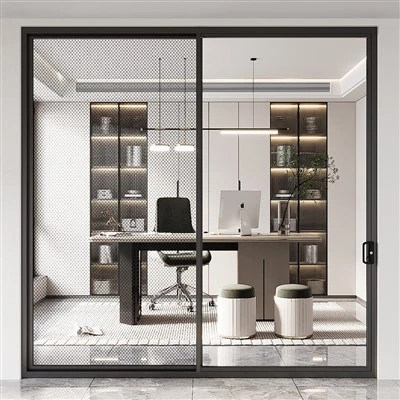
First, let’s ground this in what makes a “special door” different from the ones you pick up at a big box store. Standard residential doors are lightweight, made of basic wood or vinyl, and only have to deal with occasional foot traffic, mild temperature swings, and low-level wear. Special doors? They’re engineered for way more. Fire doors, for example, are tested to withstand hours of intense heat, with intumescent seals that expand when hot to block smoke and flames. High-security doors have reinforced steel cores, multi-point locking systems, and electronic access components that can fail if they’re not aligned just right. Even something as “simple” as a hospital hermetic door—designed to seal out airborne contaminants like MRSA or dust—has tight gaskets that have to maintain a perfect fit to do their job. None of these parts just stay put forever.
Let’s start with the most obvious culprit: wear and tear from daily use. A standard door might get opened and closed 10 times a day. A special door in a busy hospital emergency room? That’s 200+ cycles a day, every single workday. Each time a door swings, it puts stress on the hinges, the frame, and the hardware. Over time, hinge pins can wear down, leaving the door sagging just a tiny bit. That sag might seem minor at first—hardly noticeable when you glance at it—but on a fire door, even 1/8 of an inch of misalignment can break the seal between the door and the frame. If that seal fails during a fire, smoke can seep through, and the door no longer does what it’s supposed to. We had a client last year who skipped adjustments on their 10-year-old fire doors; when we showed up to service them, the top hinge was worn so bad the door was tilted 3 degrees off, and the fire marshal had flagged it as a violation. That’s not a “small tweak” situation—that’s a compliance issue.
Then there’s the environment. Special doors aren’t usually in your climate-controlled living room. They might be in a warehouse where temperatures swing from 30°F in winter to 90°F in summer, or a basement that’s damp all year round. Materials expand and contract with temperature and humidity changes. A steel door frame in a hot warehouse, for example, can expand enough to squeeze the door so tight it won’t close, or shrink just enough to leave gaps for smoke. We work with a lot of clients in coastal areas too—salt air is corrosive to metal hardware. Over time, that corrosion can bind hinges or locking mechanisms, making the door not just hard to use, but unsafe. We once had a high-security door at a port facility where salt had built up on the multi-point lock; after two years of no adjustments, the lock wouldn’t engage all the way, creating a security gap. A quick adjustment of the lock’s latch (and a quick clean of the hardware) fixed it right up.
Don’t forget the specialized components that make special doors work. Intumescent seals on fire doors, for example, aren’t permanent. They’re designed to expand when heated, but over time, they can dry out, crack, or shrink away from the frame. If you don’t check and adjust them, they won’t activate when you need them most. Hermetic door gaskets? They’re made of soft rubber or silicone, and every time the door opens and closes, that gasket gets compressed. After a few years, it loses its shape, so the door can’t form a tight seal. We had a hospital client who was having trouble keeping their operating suites free of dust; turns out, their hermetic door gaskets had stretched so much from daily use that they had a 1/4 inch gap. A quick adjustment to the gasket tension and a small trim fixed it, and their air quality went back up to code. Even electronic components—like card readers on secure doors or motion sensors on automatic special doors—drift over time. Sensors can get knocked out of alignment by a construction worker leaning on the wall, or dust can build up on the lens, making the door trigger randomly or not at all. We get calls every month from clients whose automatic special doors won’t open for staff, and 9 times out of 10, it’s just a quick sensor adjustment, not a replacement.
Now, let’s talk about what happens if you don’t adjust these doors over time. It’s not just “the door stops working”—it’s safety risks, compliance fines, and expensive replacements. Fire doors that are misaligned aren’t just a problem for buildings; they’re a risk to anyone inside. In the U.S., for example, the NFPA (National Fire Protection Association) requires fire doors to be inspected and adjusted regularly, usually every 6 months for high-traffic areas. If you skip that, you could get a fine, but more importantly, if a fire breaks out, the door might not contain it. For high-security doors, a gap from misalignment could let unauthorized people into a facility—something no business wants. Even for industrial special doors, like overhead doors in a factory, misalignment can make the door drag on the ground, wearing out the bottom edge in a year instead of 10. Adjustments are way cheaper than replacements.
Wait, but how often do you actually need to adjust these doors? It depends on the door type and where it’s installed. Fire doors in a busy restaurant kitchen? Every 6 months. High-security doors in a office with sensitive data? Every 12 months. Hermetic doors in a hospital? Every 9 months, because of the constant use. But here’s the thing: it’s not just about adjusting—it’s about preventive maintenance, which includes adjustments. We do annual service calls for our clients, and each time, we check the hinges, the seals, the locks, and the alignment. We even adjust the door’s “swing” if it’s binding, or tighten any loose hardware that could cause a problem. A lot of clients think they can handle it themselves, but special doors require tools and knowledge that you don’t use for a standard door. You can’t just grab a screwdriver and tighten a hinge on a fire door—you have to make sure you don’t throw off the gap that’s required for the intumescent seal.
Let me share a quick story that drives this home. A client of ours in a downtown high-rise had installed 20 custom entrance doors (special doors, with soundproofing for upper-floor offices) 5 years prior. They’d never adjusted them, because the doors “worked fine” when they installed them. Last year, during a heatwave, the steel frames expanded, and all the doors started sticking. Some wouldn’t close at all, others would slam shut when you let go. The building manager tried to adjust the hinges himself, but he made it worse—one door was now 1/2 inch off, so the soundproofing was completely gone. We had to come in, re-align all 20 doors, adjust the frames to account for expansion, and replace a couple of hinges that had worn out from the bad adjustment. The whole job cost a third of what it would have cost to replace all the doors, and they’ve stayed aligned ever since. That’s the kind of thing that happens when you skip regular adjustments.
Now, I know what you’re thinking: “This sounds like a lot of work and money.” But here’s the reality: the cost of a small adjustment is nothing compared to the cost of a safety hazard, a compliance fine, or a full door replacement. Most special door manufacturers recommend adjustments as part of the regular maintenance, and it’s not a complicated process when you work with the right people. At our company, we don’t just sell doors—we help our clients keep them working properly, which includes schedule regular adjustments. We even send reminders when it’s time for a tune-up, so you don’t have to remember.
So, to circle back to the original question: yes, special doors do need to be adjusted over time. They’re not set-it-and-forget-it products like a fridge or a TV. They’re engineered for specific purposes, with parts that wear out, expand, corrode, or get misaligned with use. Skipping adjustments isn’t just a minor inconvenience—it’s a risk to safety, security, and your wallet.

If you’ve got special doors on your property, and you’re not sure when the last time they were adjusted was, don’t wait for a problem to happen. Even if everything seems fine, a quick check can catch small issues before they turn into big ones. We work with all kinds of facilities—hospitals, warehouses, office buildings, schools—and we can help you set up a maintenance schedule that fits your needs. Whether you need a one-time adjustment for a single door or a full service plan for a whole building, we’ve got the expertise to get it done right. Just reach out to our team to talk through your needs, and we’ll help you make sure your special doors keep doing what they’re supposed to, for years to come.
Special Windows References
National Fire Protection Association. (2022). NFPA 80: Standard for Fire Doors and Other Opening Protectives.
International Code Council. (2021). International Building Code: Special Doors and Hardware.
American Society of Safety Professionals. (2023). Maintenance Guidelines for Special Purpose Safety Doors.
Coastal Engineering Research Center. (2020). Corrosion Effects on Metal Door Hardware in Marine Environments.
Foshan Hoview Windows and Doors Co., Ltd.
Foshan Hoview Windows and Doors Co., Ltd. is one of the most professional special doors manufacturers and suppliers in China. Please feel free to buy durable special doors in stock here and get quotation from our factory. All customized products are with high quality and competitive price.
Address: No. 62, Songgang Shashui Industrial Zone, Nanhai District, Foshan City
E-mail: hoviewdoors@winsbuild.com
WebSite: https://www.hoviewwindows.com/
