Hey there! I’m a supplier of stage sockets, and I’ve been getting a ton of questions lately about whether these nifty little gadgets can be integrated with other electrical systems. That’s why I decided to write this blog post to clear up all the confusion and give you the lowdown on how stage sockets can play well with others in the electrical world. Stage Socket
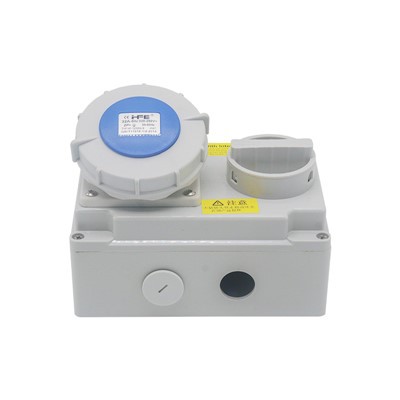
Let’s start with the basics. What exactly is a stage socket? Well, in a nutshell, it’s a specialized electrical socket designed for use in stage lighting, sound systems, and other entertainment setups. They’re built to handle high loads and are often equipped with safety features like grounding and overcurrent protection. Unlike your average household socket, stage sockets are made to withstand the rigors of professional use, with durable materials and robust construction.
Now, the big question: Can a stage socket be integrated with other electrical systems? The short answer is yes, but there are a few things you need to keep in mind. First and foremost, compatibility is key. Not all electrical systems are created equal, and you need to make sure that your stage socket is compatible with the voltage, amperage, and frequency of the system you’re trying to integrate it with.
For example, if you’re using a stage socket in a North American setting, you’ll typically be dealing with a 120-volt, 60-hertz electrical system. However, if you’re working in Europe or other parts of the world, the standard voltage is 230 volts, and the frequency is 50 hertz. Using a stage socket designed for one system in another can lead to serious problems, including electrical fires and equipment damage.
Another important factor to consider is the type of connection. Stage sockets come in a variety of shapes and sizes, each with its own unique connection type. Some common types of stage socket connections include XLR, TRS, and Speakon. When integrating a stage socket with another electrical system, you need to make sure that the connection types are compatible. If they’re not, you’ll need to use an adapter or converter to make the connection work.
In addition to compatibility and connection types, you also need to think about safety. Electrical systems can be dangerous, and it’s important to take all necessary precautions when integrating a stage socket with other equipment. This includes using proper grounding techniques, following all local electrical codes and regulations, and using high-quality electrical components.
One of the biggest advantages of integrating a stage socket with other electrical systems is the ability to create a more versatile and efficient setup. For example, by integrating a stage socket with a lighting control system, you can easily control the brightness and color of your stage lights from a single location. This can save you time and effort, and it can also help you create a more professional-looking show.
Similarly, integrating a stage socket with a sound system can allow you to connect multiple audio devices, such as microphones, speakers, and mixers, to a single power source. This can help you reduce clutter and simplify your setup, making it easier to manage and troubleshoot any issues that may arise.
But it’s not just about convenience and efficiency. Integrating a stage socket with other electrical systems can also improve the overall performance of your equipment. By using a high-quality stage socket that is designed to handle the specific needs of your entertainment setup, you can reduce the risk of electrical interference and ensure that your equipment operates at peak performance.
Of course, integrating a stage socket with other electrical systems isn’t always easy, and it may require some technical knowledge and expertise. If you’re not comfortable working with electrical systems, it’s always a good idea to consult with a professional electrician or audio/video technician. They can help you determine the best way to integrate your stage socket with your existing equipment, and they can also provide you with valuable advice and guidance on safety and installation.
So, there you have it. The bottom line is that a stage socket can definitely be integrated with other electrical systems, but it’s important to do your homework and make sure that you’re doing it safely and correctly. By following the tips and guidelines outlined in this blog post, you can create a more versatile, efficient, and high-performing entertainment setup that will impress your audience and make your shows a success.
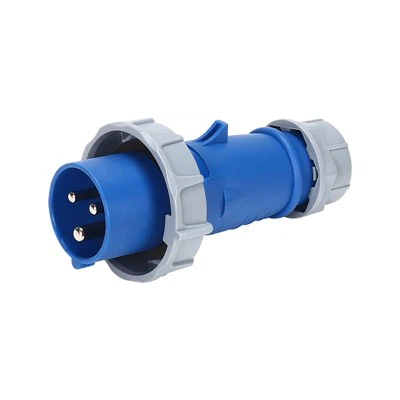
If you’re interested in learning more about our stage sockets or if you have any questions about integrating them with your electrical systems, please don’t hesitate to reach out. We’re here to help you find the right solutions for your needs, and we’re always happy to answer any questions you may have. Whether you’re a professional entertainer, a venue owner, or a DIY enthusiast, we have the products and expertise to help you take your setup to the next level.
Industrial Plug References
- Electrical Safety Standards Handbook
- Professional Lighting and Sound Equipment Manuals
Zhejiang Hefeng Electric Co., Ltd.
Address: Wenzhou Daqiao Industrail Park, Beibaixiang Town, Yueqing City, Zhejiang Province, China
E-mail: hefengplug@chinahfe.com
WebSite: https://www.hfcee.com/
