In the realm of modern manufacturing, vertical machining centers stand as indispensable workhorses, driving efficiency and precision across a wide spectrum of industries. As a seasoned supplier of vertical machining centers, I’ve witnessed firsthand the transformative impact these machines can have on production lines. One of the critical factors that significantly influence the productivity and cost – effectiveness of a vertical machining center is the tool change time. In this blog post, I’ll delve into what tool change time is, why it matters, how it is measured, and how our vertical machining centers excel in this regard. Vertical Machining Center

Understanding Tool Change Time
The tool change time of a vertical machining center refers to the time it takes for the machine to swap one cutting tool for another during the machining process. In a typical machining operation, a workpiece often requires multiple machining operations such as drilling, milling, boring, and tapping. Each of these operations may necessitate the use of a different tool. The efficiency of transitioning from one tool to another can significantly improve the overall efficiency of the machining process.
There are two main components to consider when discussing tool change time: chip – to – chip time and total tool change time. Chip – to – chip time is the time from when the cutting action of one tool stops to when the cutting action of the new tool begins. This metric is crucial as it represents the actual idle time in the machining process, during which no material removal is taking place. Total tool change time, on the other hand, encompasses all the steps involved in the tool change process, including the movement of the tool magazine, the engagement and disengagement of the tool in the spindle, and any necessary tool measurement or adjustment.
Why Tool Change Time Matters
In manufacturing, time is money. Reducing tool change time can lead to substantial savings in production costs and increased productivity. A shorter chip – to – chip time means that the machine spends more time cutting and less time waiting for tool changes. This translates into higher throughput, enabling manufacturers to produce more parts in less time.
In addition to increased productivity, reduced tool change time also improves the quality of the machined parts. Frequent tool changes can introduce variability in the machining process, as each change has the potential to slightly alter the alignment or cutting parameters. By minimizing the number of tool changes or reducing the time between them, the overall stability of the machining process is enhanced, resulting in more consistent part quality.
Moreover, in industries where quick turnaround times are essential, such as aerospace and automotive manufacturing, a vertical machining center with a fast tool change time can give manufacturers a competitive edge. It allows them to meet tight production deadlines and respond more rapidly to customer demands.
Measuring Tool Change Time
Measuring tool change time is a precise process that requires careful observation and the use of appropriate tools. Specialized software can be employed to record the start and end times of each tool change operation. This data can then be analyzed to calculate the average chip – to – chip time and total tool change time for a particular machining center.
When measuring tool change time, it is important to consider the type of tool change mechanism used in the vertical machining center. There are generally two types of tool change mechanisms: the random access tool magazine and the sequential tool magazine. In a random access tool magazine, the machine can select any tool from the magazine without having to go through the other tools in sequence. This allows for faster tool changes, especially when a large number of tool changes are required. In contrast, a sequential tool magazine requires the machine to move through the tools in a specific order, which can result in longer tool change times, especially if the required tool is located far from the current tool.
How Our Vertical Machining Centers Excel in Tool Change Time
At our company, we understand the critical role that tool change time plays in the success of our customers’ manufacturing operations. That’s why we have invested heavily in research and development to optimize the tool change systems of our vertical machining centers.
Our vertical machining centers are equipped with state – of – the – art random access tool magazines that can accommodate a large number of tools. These tool magazines are designed to provide rapid and reliable tool access, minimizing the time required to select and change tools. The advanced servo – motor technology used in our tool change systems ensures precise and smooth movement, reducing the risk of tool damage or misalignment during the tool change process.
In addition, our vertical machining centers feature an intelligent tool management system. This system can automatically identify the required tool, calculate the optimal tool change sequence, and perform any necessary tool measurements or adjustments. This not only shortens the chip – to – chip time but also improves the overall accuracy of the machining process.
Furthermore, we continuously improve our vertical machining centers through statistical process control and customer feedback. By closely monitoring the tool change performance of our machines in real – world applications, we are able to identify areas for improvement and implement targeted enhancements.
Conclusion
The tool change time of a vertical machining center is a crucial factor that directly impacts the productivity, quality, and competitiveness of modern manufacturing operations. As a dedicated supplier of vertical machining centers, we are committed to providing our customers with machines that offer fast, reliable, and efficient tool change capabilities.
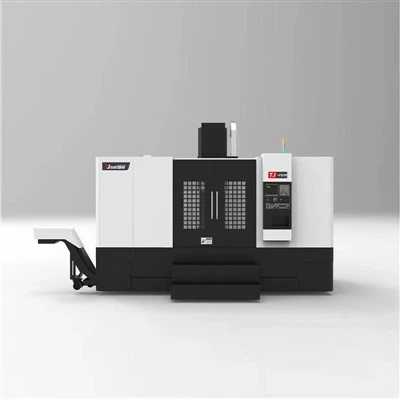
If you are in the market for a vertical machining center and want to discuss how our products can meet your specific needs, I encourage you to reach out. Our team of experts is ready to assist you in selecting the right machine and customizing it to your requirements. Feel free to start a conversation with us to explore the possibilities of enhancing your manufacturing processes with our high – performance vertical machining centers. Let’s work together to take your production to the next level.
Five Axis Machining Center References
- Boothroyd, G., Dewhurst, P., & Knight, W. A. (2011). Product Design for Manufacture and Assembly. CRC Press.
- Dornfeld, D. A., Stephenson, D. A., & Kapoor, S. G. (2007). Machining and Machine Tools. CRC Press.
- Lindberg, G. (2014). Advanced Manufacturing Processes. John Wiley & Sons.
Guangdong Taiji Intelligent Equipment Co., Ltd.
With abundant experience, we are one of the most professional vertical machining center manufacturers and suppliers in China. Please feel free to buy cheap vertical machining center for sale here from our factory. For price consultation, contact us.
Address: Room 107, Building 15, No. 911 Jian’an Road, Chang’an Town, Dongguan City, Guangdong Province
E-mail: sale@gdtaijicnc.com
WebSite: https://www.gdtaijicnc.com/
